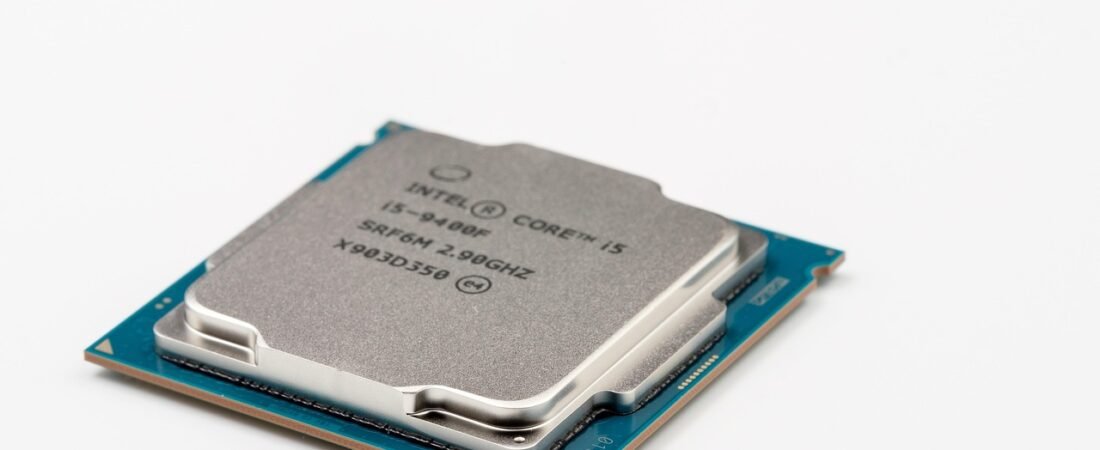
Intel’s upcoming Nova Lake platform, branded as the Core Ultra 400-series, has passed a round of compliance certifications, Tom’s Hardware reported, clearing a bureaucratic but necessary hurdle on the way to launch.
What actually got certified
Mobile Nova Lake-H processors passed USB-IF compliance for USB4 at 80 Gbps, while the desktop PCH-S chipset cleared USB-IF testing for USB 3.2 Gen2 at 20 Gbps. Separately, PCI-SIG certified Intel’s 900-series chipset built for Nova Lake-S desktop processors, along with an as-yet unidentified desktop processor carrying a PCIe 5.0 x16 root complex. As Tom’s Hardware put it, these tests exist “to ensure interoperability and to gain the right to use the PCIe and USB logos,” routine paperwork that nonetheless only happens once a product is close to final.
The specs behind the certification
Desktop Nova Lake chips are expected to scale up to 52 cores in their highest configurations, with up to 48 PCIe lanes on select models and support for DDR5 memory, alongside reports of a possible DDR4 option for budget-focused boards. That would mark a significant jump over Raptor Lake, Intel’s prior desktop platform, both in raw core count and in connectivity, assuming the final retail parts match what’s been certified so far.

A timeline measured in quarters, not weeks
Passing compliance testing now points to mass production starting in the fourth quarter of 2026, with the Core Ultra 400-series launch itself expected in the first quarter of 2027. That’s a long runway between this certification news and an actual product on shelves, standard for a full platform change but a reminder that today’s milestone is a manufacturing checkpoint, not a launch announcement.
Why this matters beyond the spec sheet
A new USB and PCIe generation on the same platform as a core count jump means Nova Lake isn’t just a faster chip, it’s also a new motherboard and I/O standard that buyers will need to adopt alongside it. Intel going through this certification process this early, more than a year before Core Ultra 400 chips are expected to launch, suggests the company wants partners and motherboard makers to have unusually long lead time, likely a response to how tightly AMD and Nvidia have been competing on next-generation platform launches this year.
Source: Tom’s Hardware