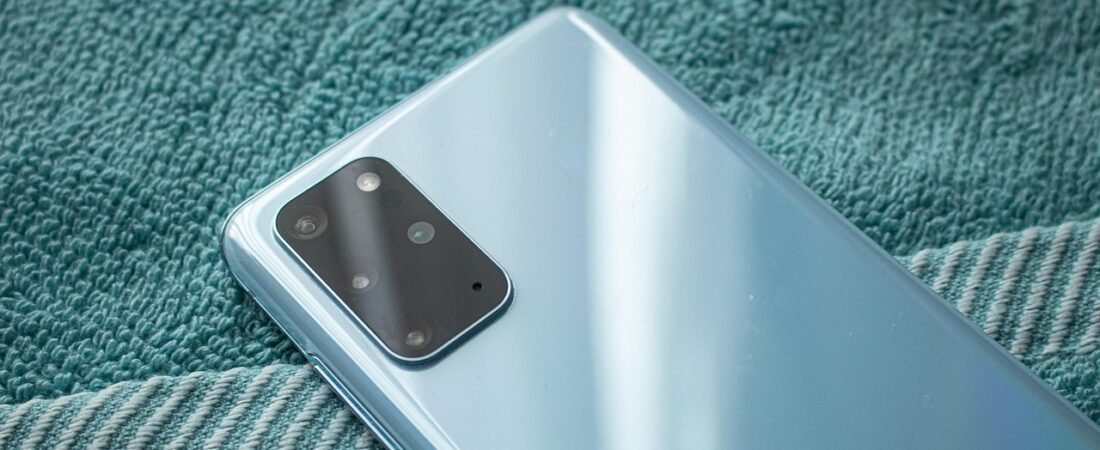
Samsung has raised prices across its entire Galaxy S26 lineup in the US, Android Authority reported, with increases confirmed directly on Samsung’s own website.

The new prices, model by model
The base Galaxy S26 with 256GB goes from $899.99 to $999.99, and the 512GB version from $1,099.99 to $1,199.99. The Galaxy S26 Plus rises the same $100 at both storage tiers, landing at $1,199.99 and $1,399.99. The Galaxy S26 Ultra sees the steepest jump, up $100 at 256GB and 512GB to $1,399.99 and $1,599.99, and up a full $200 at the 1TB tier, now $1,999.99. South Korea saw a comparable increase, with the entry level S26 rising about 149,600 won.
Why Samsung says this is happening
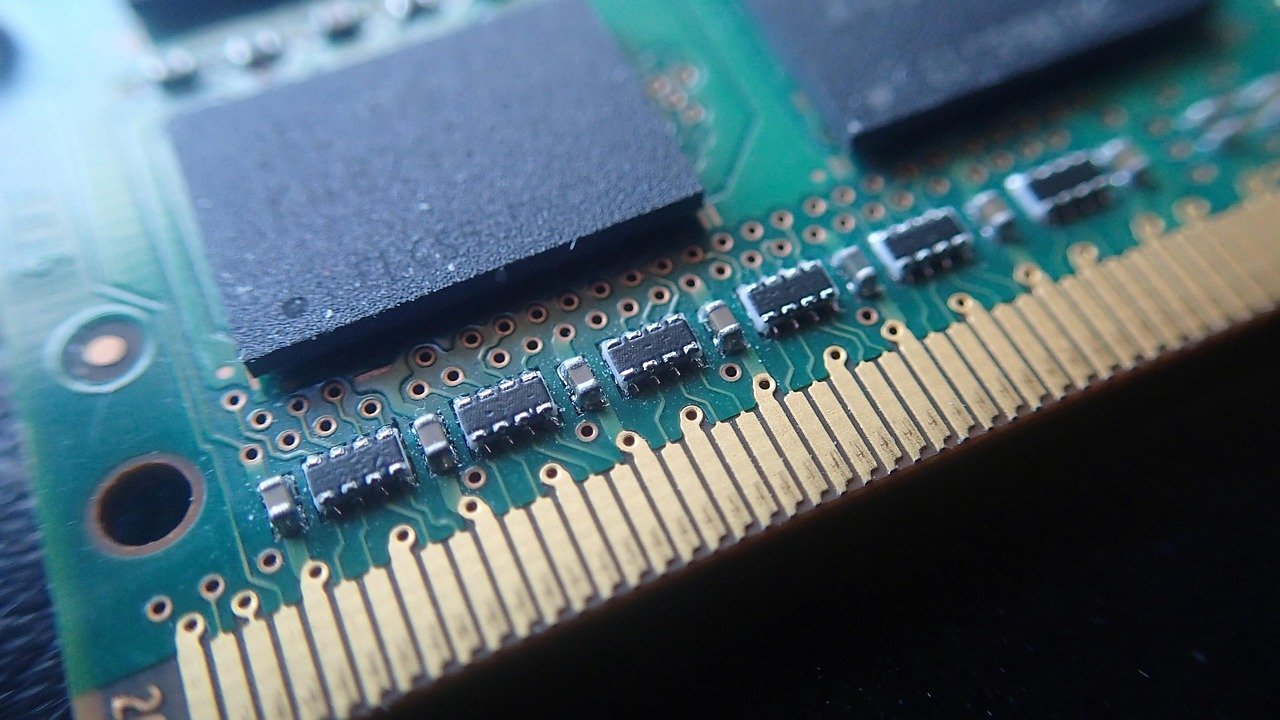
Samsung attributed the increases directly to “the global shortage of memory components.” That’s not a vague supply chain excuse, it matches what memory maker Micron reported the same week: record fiscal Q4 revenue of $54.23 billion and a warning that memory shortages may keep tightening through 2028. When the company that makes the chips says shortages are getting worse for two more years, a phone maker raising prices six months after launch looks less like profit taking and more like a company passing on a real cost it can’t absorb.
Not every retailer has caught up yet
Some Amazon listings were still showing the original, lower prices at the time of reporting, suggesting the increase is rolling out retailer by retailer rather than everywhere at once. Anyone still shopping for a Galaxy S26 at the old price has a narrow window before listings catch up.
A cost that reaches beyond phones
The same memory squeeze that’s pushing up Galaxy S26 prices is also why AMD’s newest workstation chips lean on unified memory so heavily, and why laptop makers have been quietly trimming RAM configurations elsewhere this year. A $100 to $200 jump on a flagship phone is a visible symptom of a shortage that’s reshaping pricing across phones, PCs and the AI hardware built on the same memory supply.
Source: Android Authority